

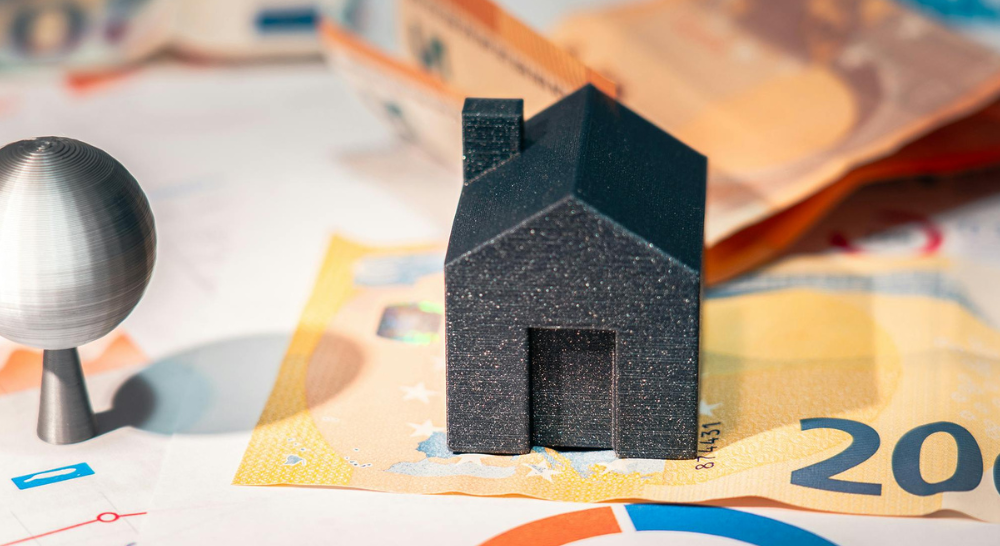
As global and Indian cities evolve, real estate growth is no longer limited to traditional metros. Infrastructure expansion, changing work patterns, improved connectivity, and lifestyle-driven demand are reshaping where people choose to live and invest. In 2025, emerging real estate markets are defined by long-term fundamentals rather than short-term speculation.
This article explores five real estate markets poised for strong growth in 2025, driven by urban planning, economic activity, and livability.
1. Pune (India)
Pune continues to strengthen its position as one of India’s most balanced real estate markets. With a strong IT ecosystem, expanding manufacturing belt, and improving metro connectivity, the city attracts both end-users and long-term investors.
Why Pune stands out in 2025:
- Growth in Hinjewadi, Wakad, Ravet, Moshi, and PCMC belt
- Expanding metro and road infrastructure
- Strong demand from professionals and families
- Stable price appreciation with high livability
Pune’s ability to combine employment, education, and quality of life makes it a resilient and future-ready market.
2. Hyderabad (India)
Hyderabad has emerged as a technology and data-center powerhouse, driving consistent residential and commercial demand. Government-backed infrastructure initiatives and planned urban growth continue to support real estate development.
Key growth drivers:
- IT and global corporate expansion
- ORR and metro-led development zones
- Affordable pricing compared to other Tier-1 cities
- Strong absorption of mid and premium housing
Hyderabad remains attractive for investors seeking scale, stability, and long-term growth.
3. Ahmedabad (India)
Ahmedabad is transitioning from an industrial city to a diversified urban hub. With large-scale infrastructure projects and smart city initiatives, the city is seeing renewed interest from developers and investors alike.
What’s fueling growth:
- Industrial corridors and manufacturing investments
- Improved urban infrastructure and transit systems
- Rising demand for organized residential projects
- Strong rental yields in emerging zones
The city’s cost advantage and economic momentum position it as a rising real estate destination in 2025.
4. Bengaluru – Peripheral Growth Corridors (India)
While Bengaluru remains a mature market, its peripheral corridors are emerging as high-potential investment zones. Areas along new highways, metro extensions, and tech parks are witnessing increased residential development.
Why peripheral Bengaluru is emerging:
- Continued IT sector expansion
- New infrastructure easing core-city congestion
- Growth of integrated townships
- Demand from young professionals and startups
These growth corridors offer relatively better entry prices with long-term appreciation potential.
5. Dubai (UAE)
Dubai continues to attract global investors due to its transparent regulations, strong rental yields, and international appeal. In 2025, emerging districts beyond the traditional hotspots are gaining momentum.
Market strengths:
- Investor-friendly policies and freehold ownership
- Infrastructure-led urban expansion
- High demand for branded and lifestyle housing
- Strong global investor confidence
Dubai remains a strategic choice for portfolio diversification and international exposure.
What Defines an Emerging Market in 2025?
Across geographies, the most promising real estate markets share common traits:
- Infrastructure-led growth
- Employment and economic activity
- Strong urban planning
- Demand from genuine end-users
- Focus on long-term value over speculation
- Real estate success in 2025 will depend on selecting markets backed by fundamentals, not hype.
Final Thoughts
The future of real estate lies in cities and corridors that balance growth with livability. As emerging markets mature, developers and investors who prioritize transparency, planning, and quality will be best positioned to create lasting value.
At Vistara Landmark, we believe real estate is not just about growth — it’s about building responsibly, creating communities, and shaping environments that endure.
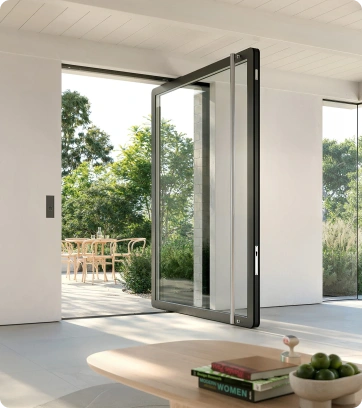
At the same time, the expectations of residents have shifted dramatically. Homeowners and tenants today seek smart, livable, and emotionally engaging spaces that connect them not only to their surroundings but also to each other.
This article explores five major trends shaping the future of urban living — revealing how design is redefining the meaning of “home” in an increasingly connected world.
From rooftop gardens to water features and natural ventilation systems, biophilic design continues to shape the future of urban well-being, blending sustainability with emotional comfort in every space.